

Asia AI Frontiers: Scaling Asia’s AI Startups for Global Impact
My First Step Into Asia’s Tech Ecosystem — Reflections from Moderating the Japan × Korea × Taiwan AI Panel

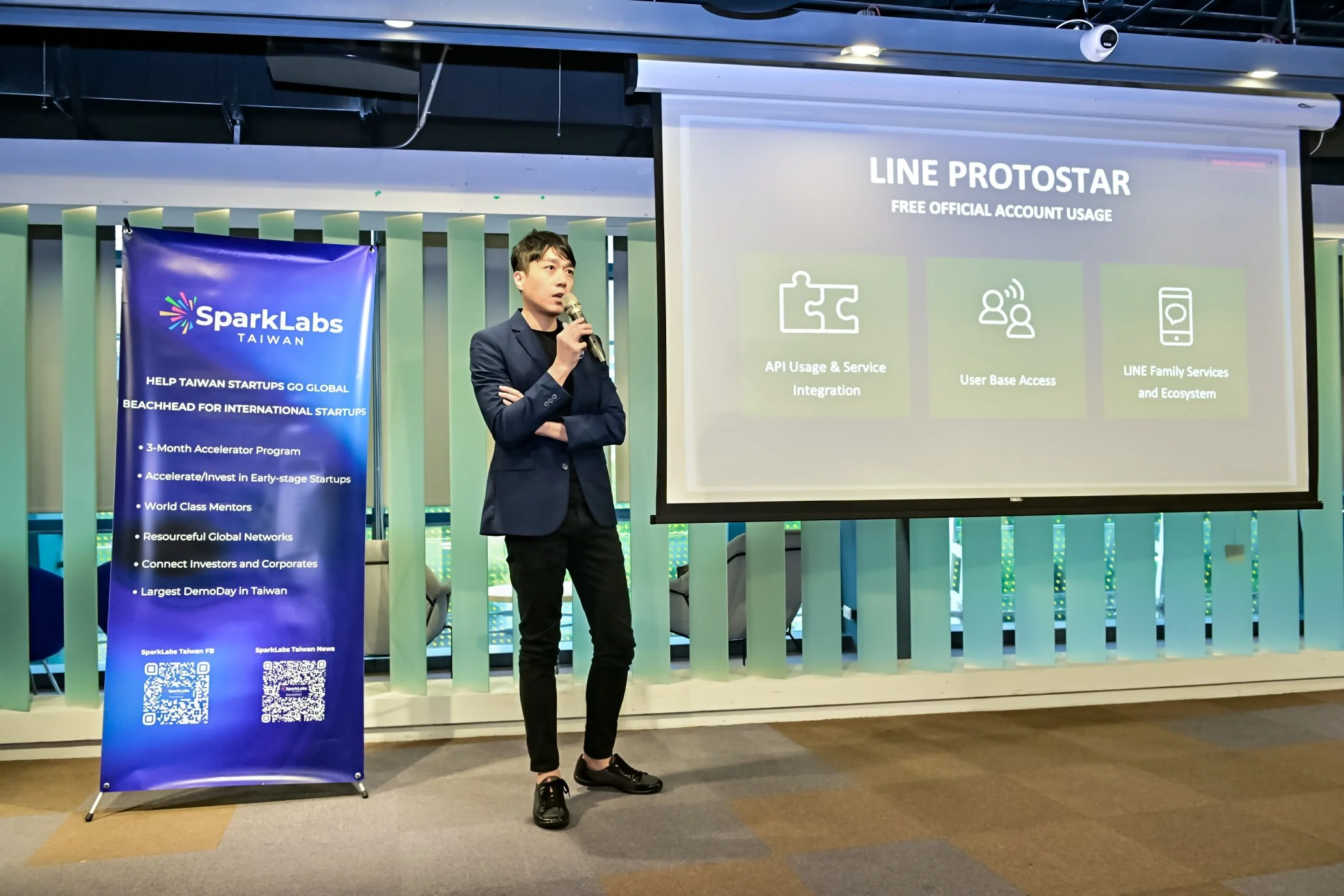
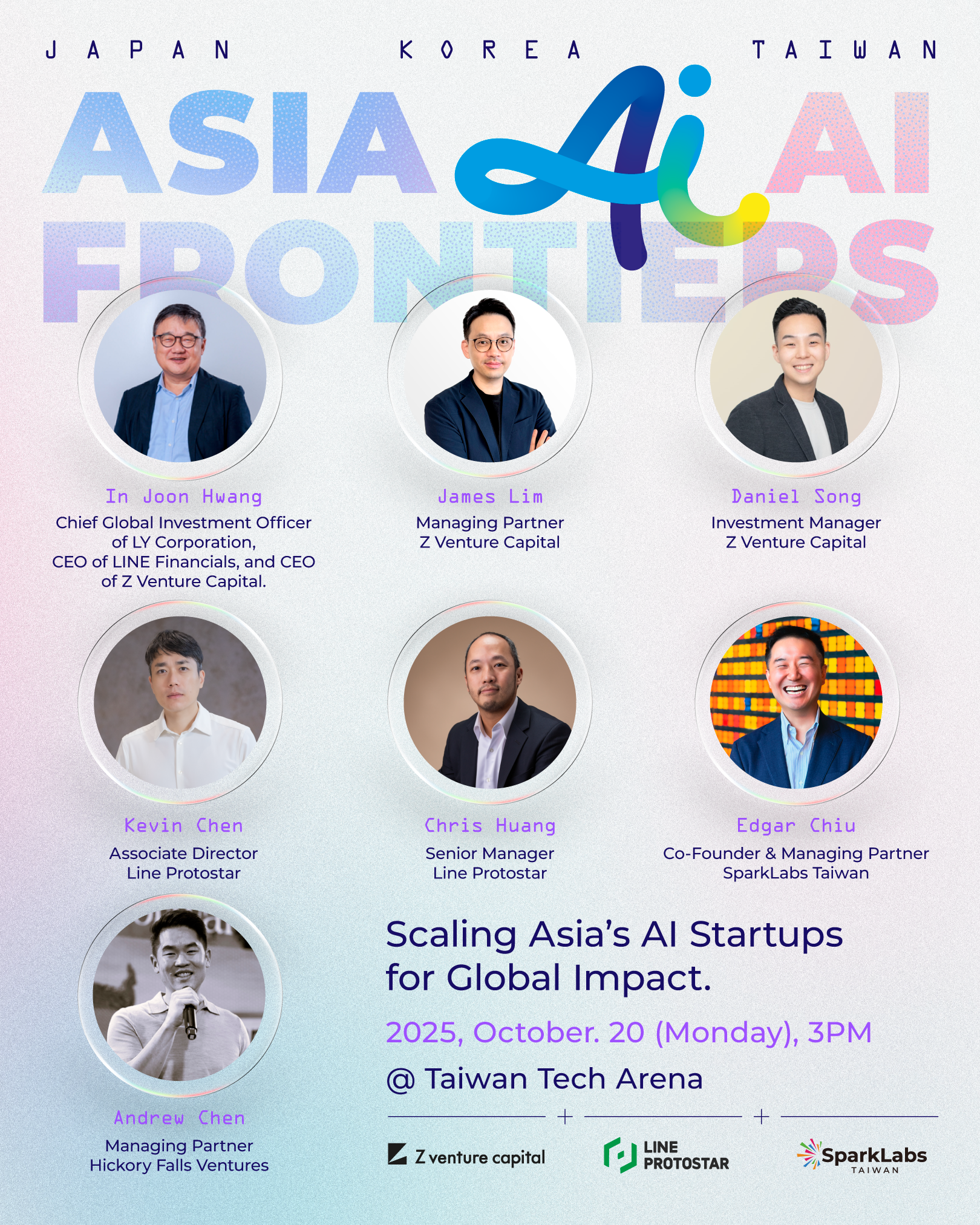
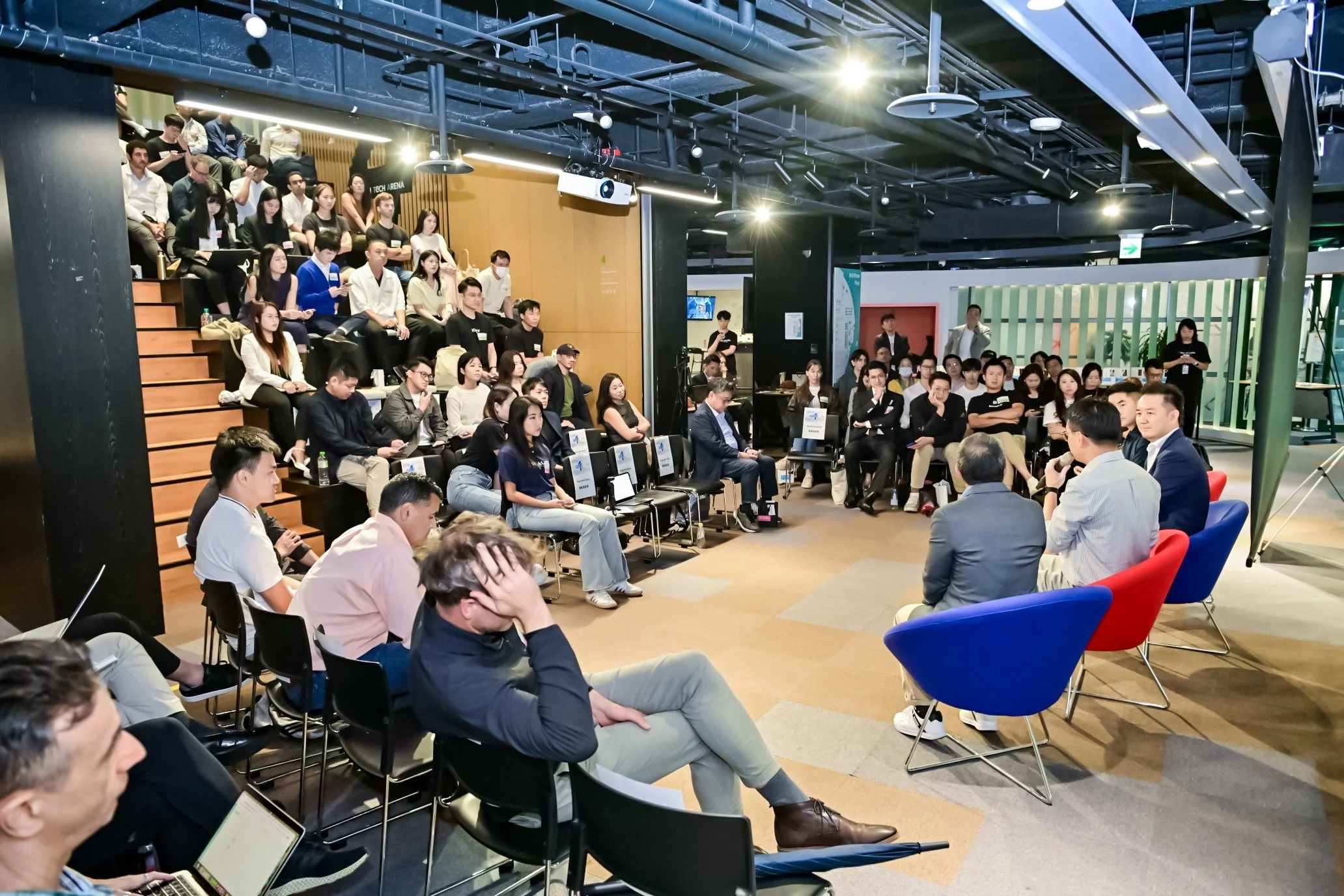
Recently, I had the honor of moderating “Asia AI Frontiers: Japan × Korea × Taiwan — Scaling Asia’s AI Startups for Global Impact”, co-hosted by SparkLabs Taiwan, Z Venture Capital (ZVC), and LINE Protostar at Taiwan Tech Arena (TTA).
This was my first event and introduction into the Taiwan and broader Pan-Asian tech ecosystem, and I couldn’t imagine a better starting point. When my family and I moved to Taiwan, I wanted to remain engaged with the startup community — to share what I’ve learned from building and investing in companies across the U.S., and to contribute to helping Asia’s next generation of founders reach the world stage.
The Conversation
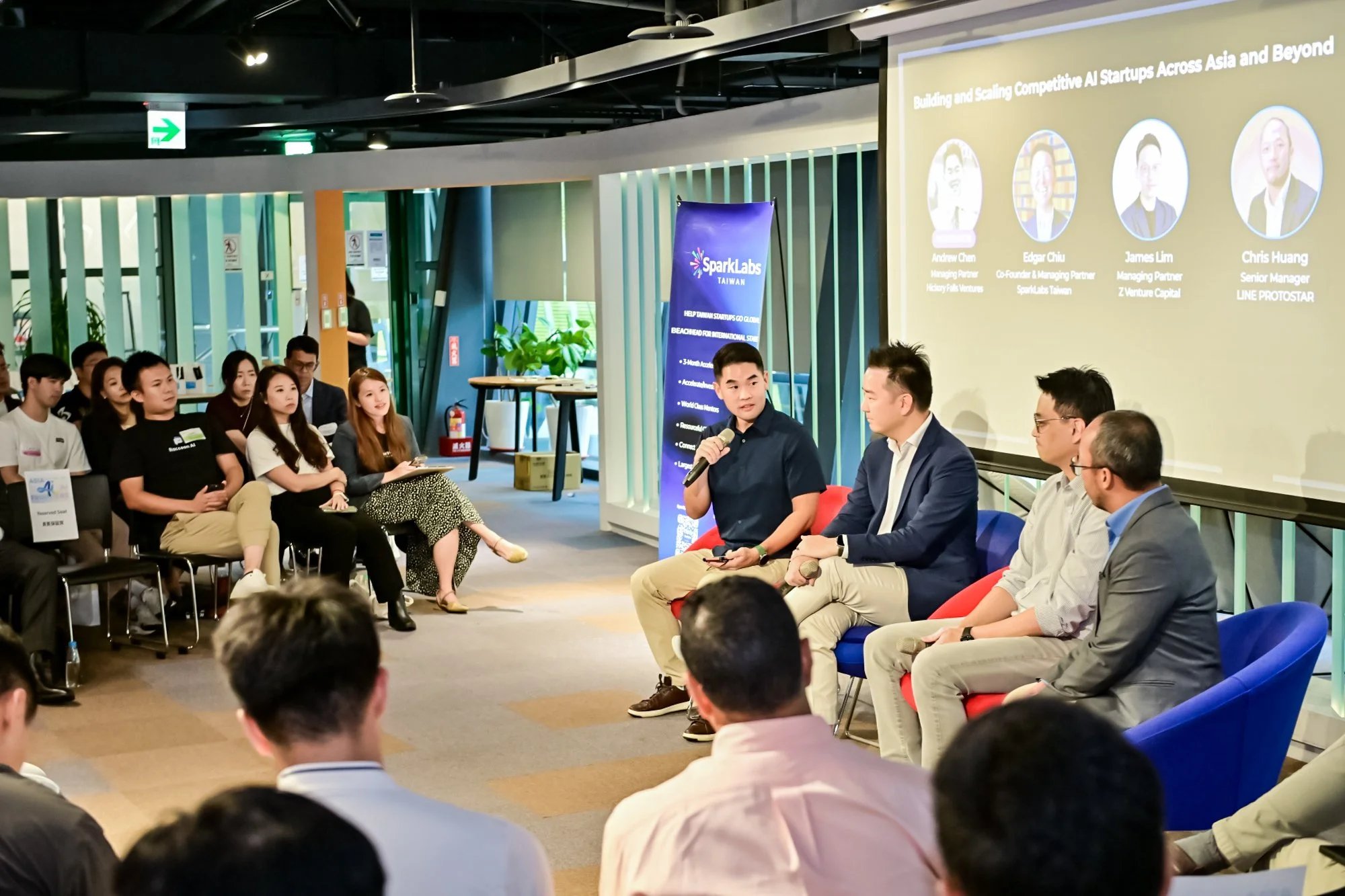
Our distinguished panel brought together some of the region’s top innovation leaders:
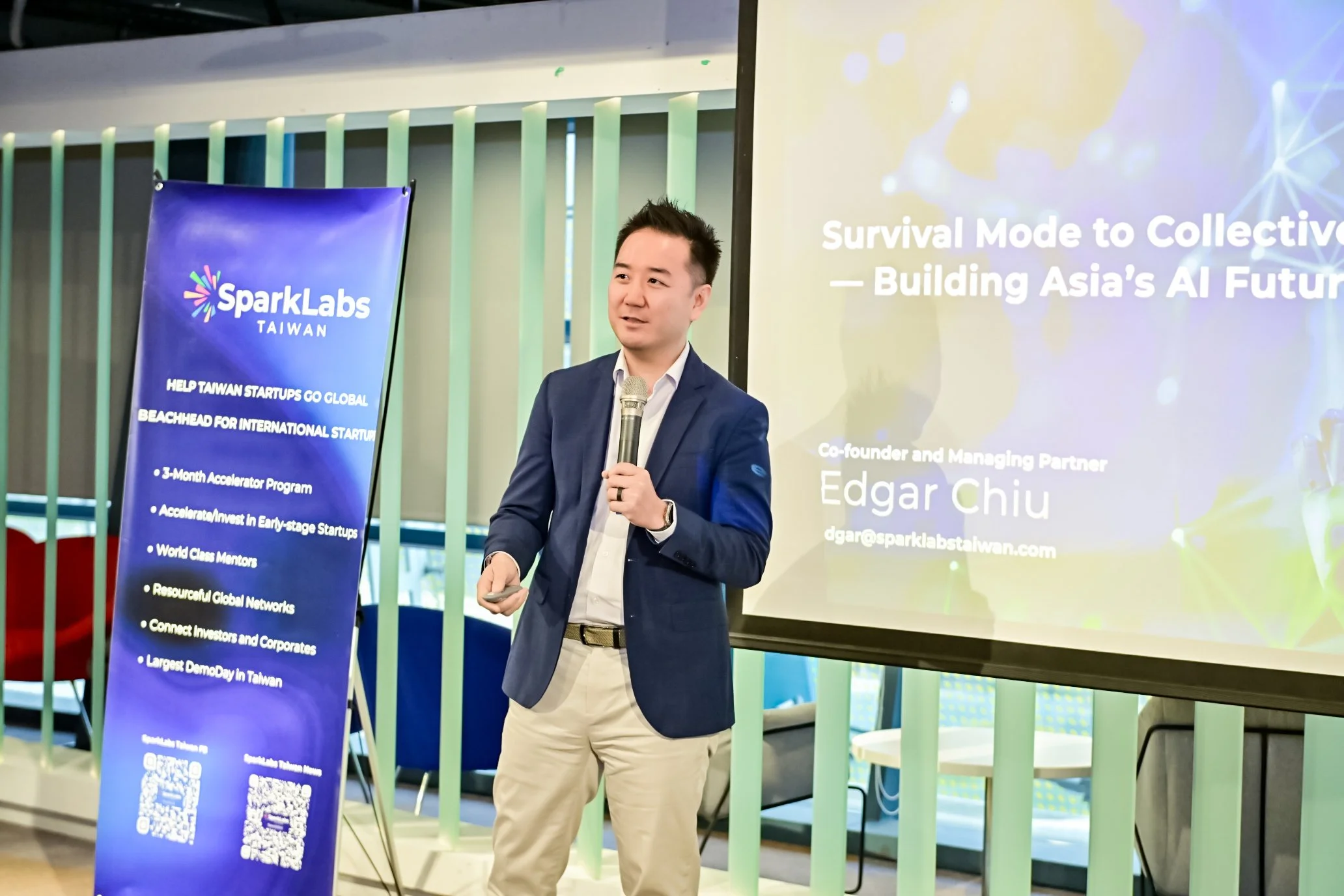
Edgar Chiu, Co-Founder & Managing Partner of SparkLabs Taiwan
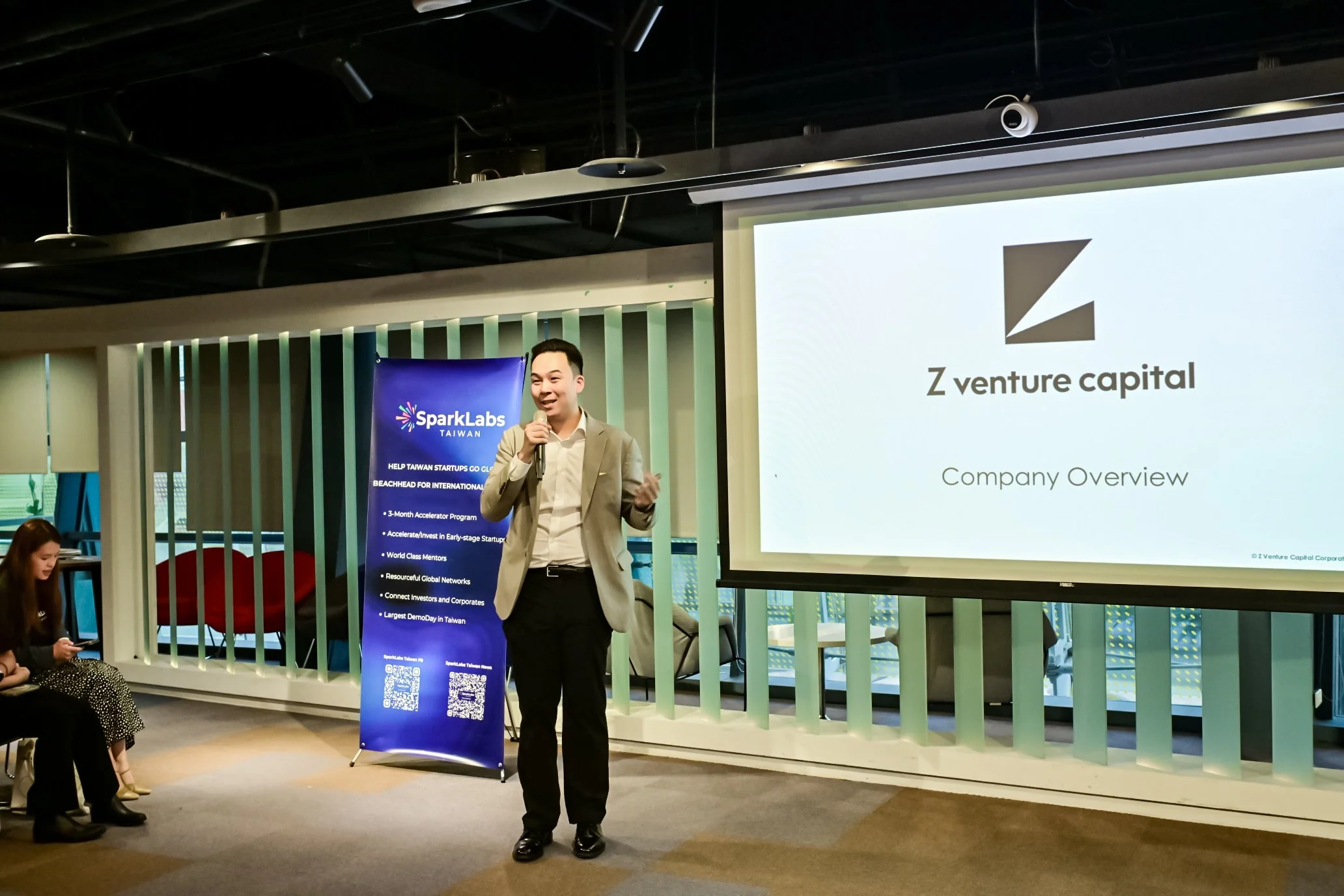
James Lim, Managing Partner of Z Venture Capital
Chris Huang, Senior Manager, LINE Protostar
We were also joined by Daniel Song, Investment Manager at Z Venture Capital, and Kevin Chen, Associate Director at LINE Protostar, who provided insightful overviews of their respective organizations and their visions for AI investment and incubation across Asia.
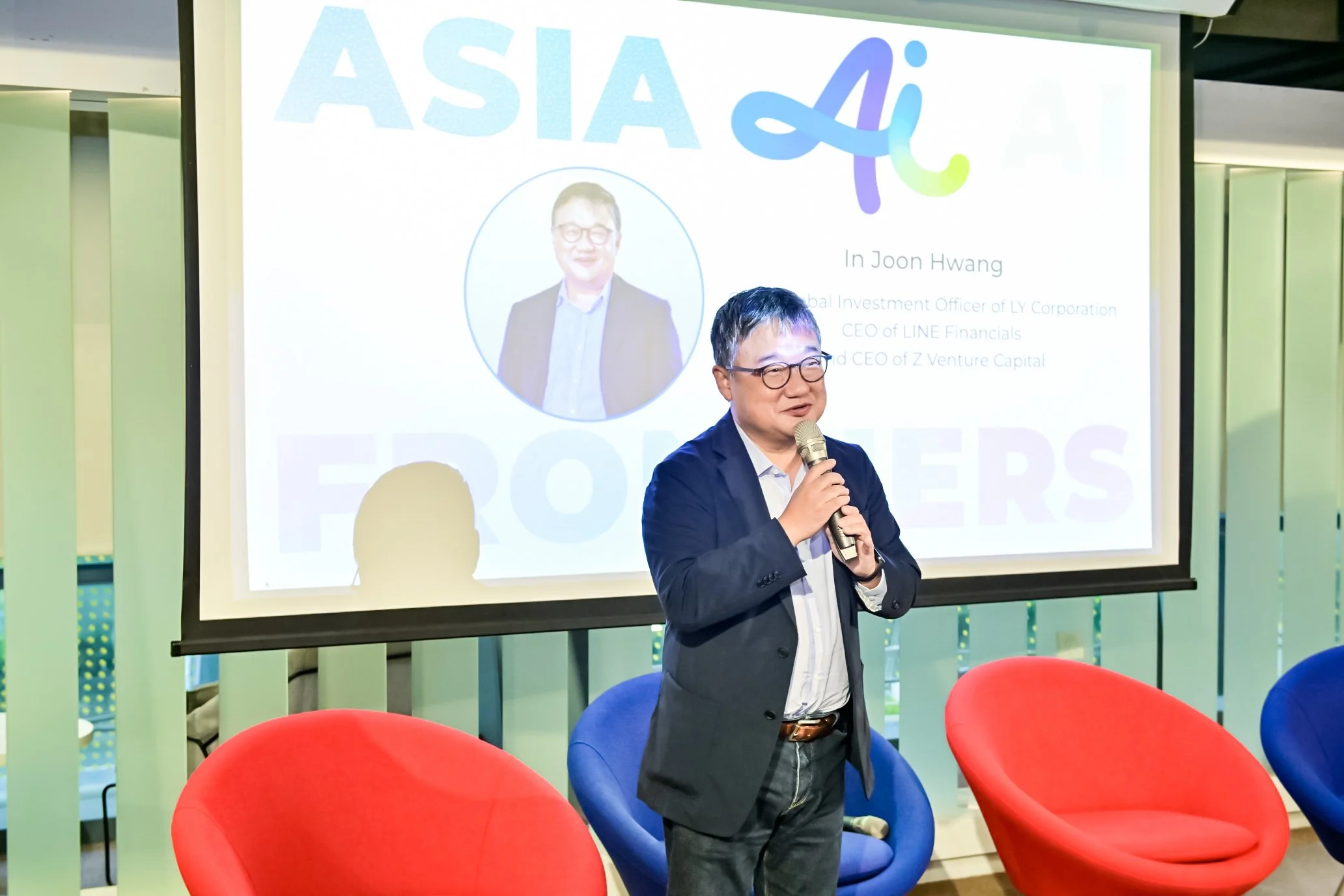
The evening closed with powerful remarks from In Joon Hwang, Chief Global Investment Officer of LY Corporation, CEO of LINE Financials, and CEO of Z Venture Capital — whose leadership continues to shape and connect the Pan-Asian innovation ecosystem.
And special thanks to Mallory Chien, Senior Program Manager at SparkLabs Taiwan, along with her team members Regina Lo and Alice Cheang for organizing and orchestrating a truly world-class event.
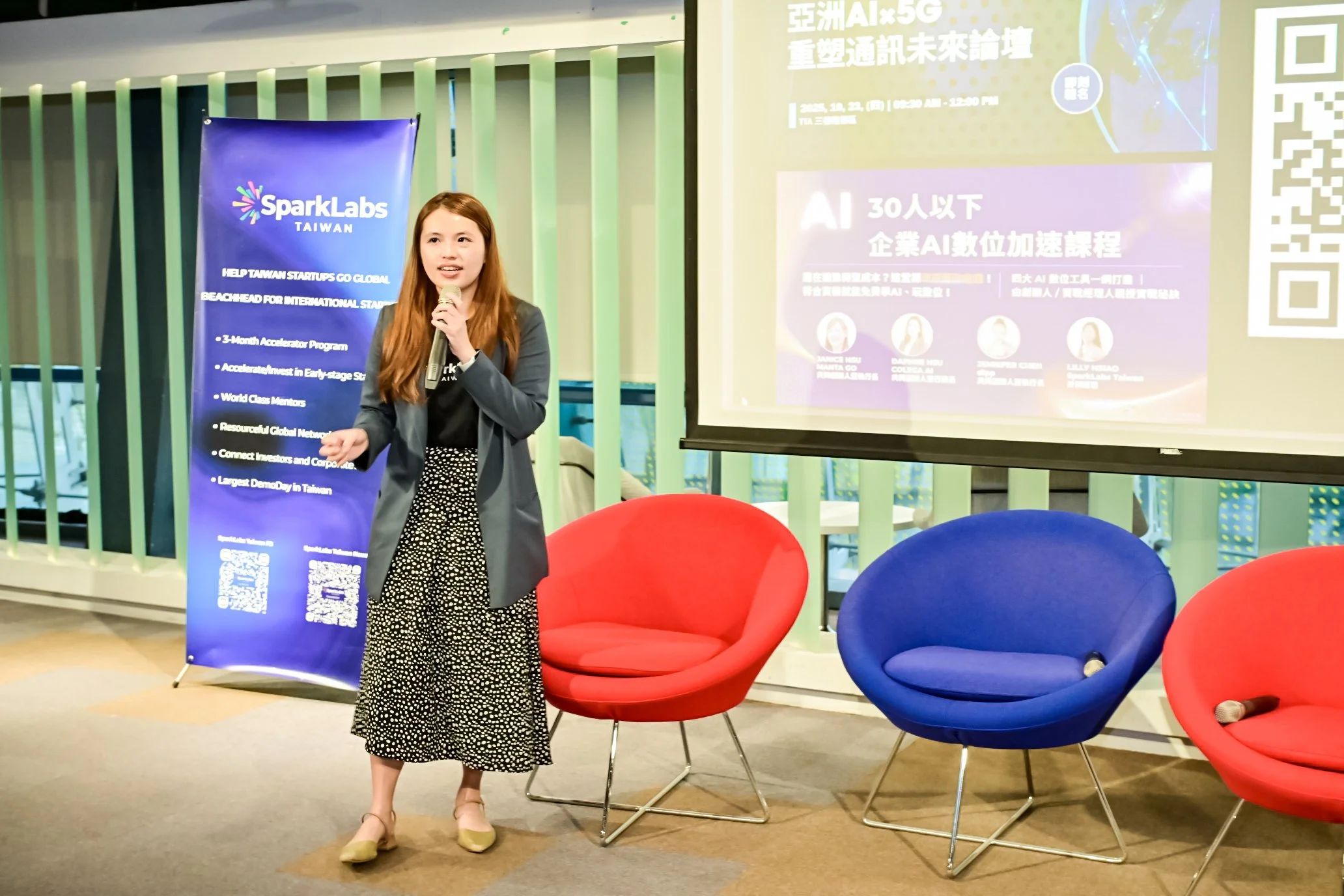
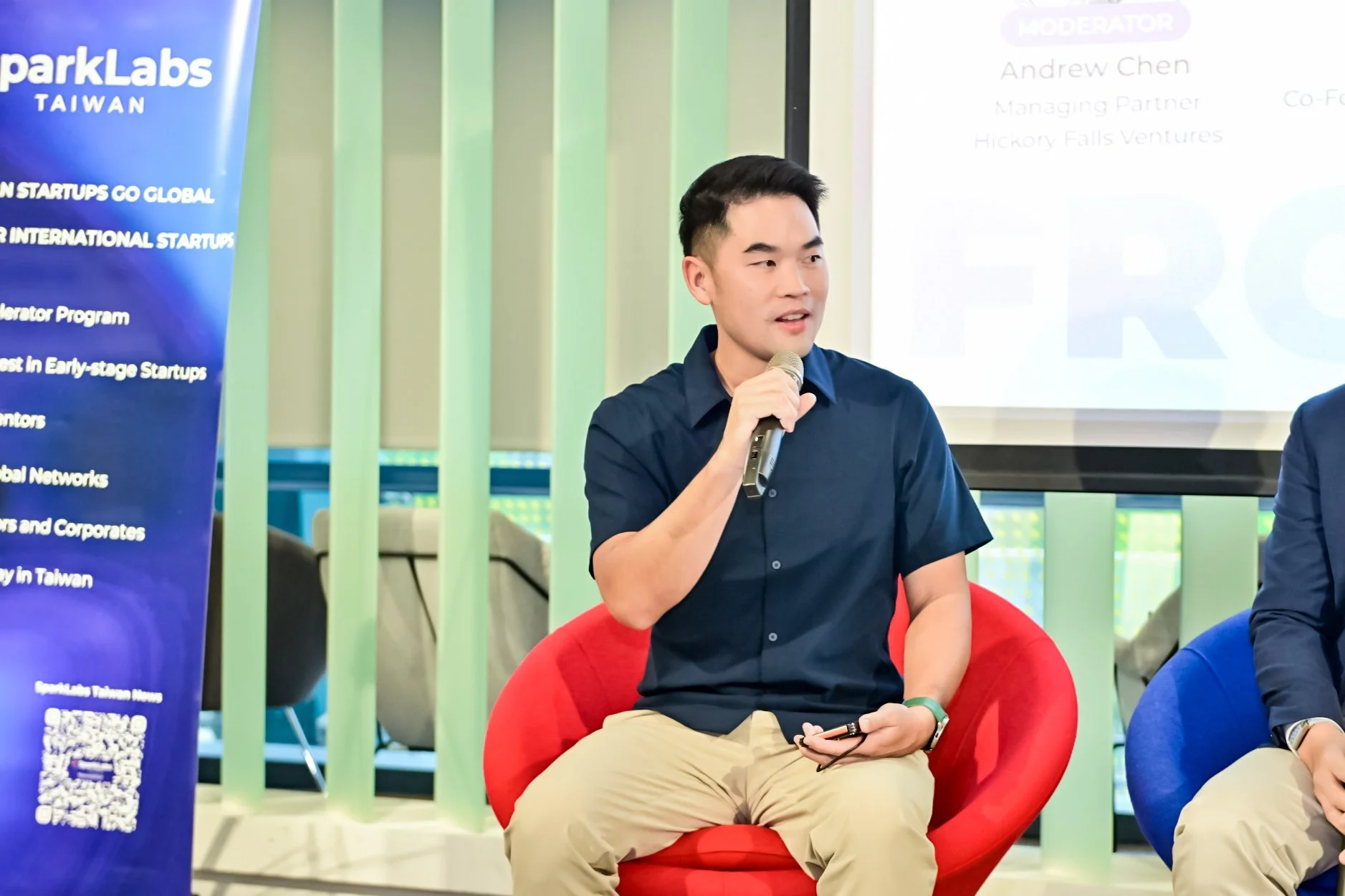

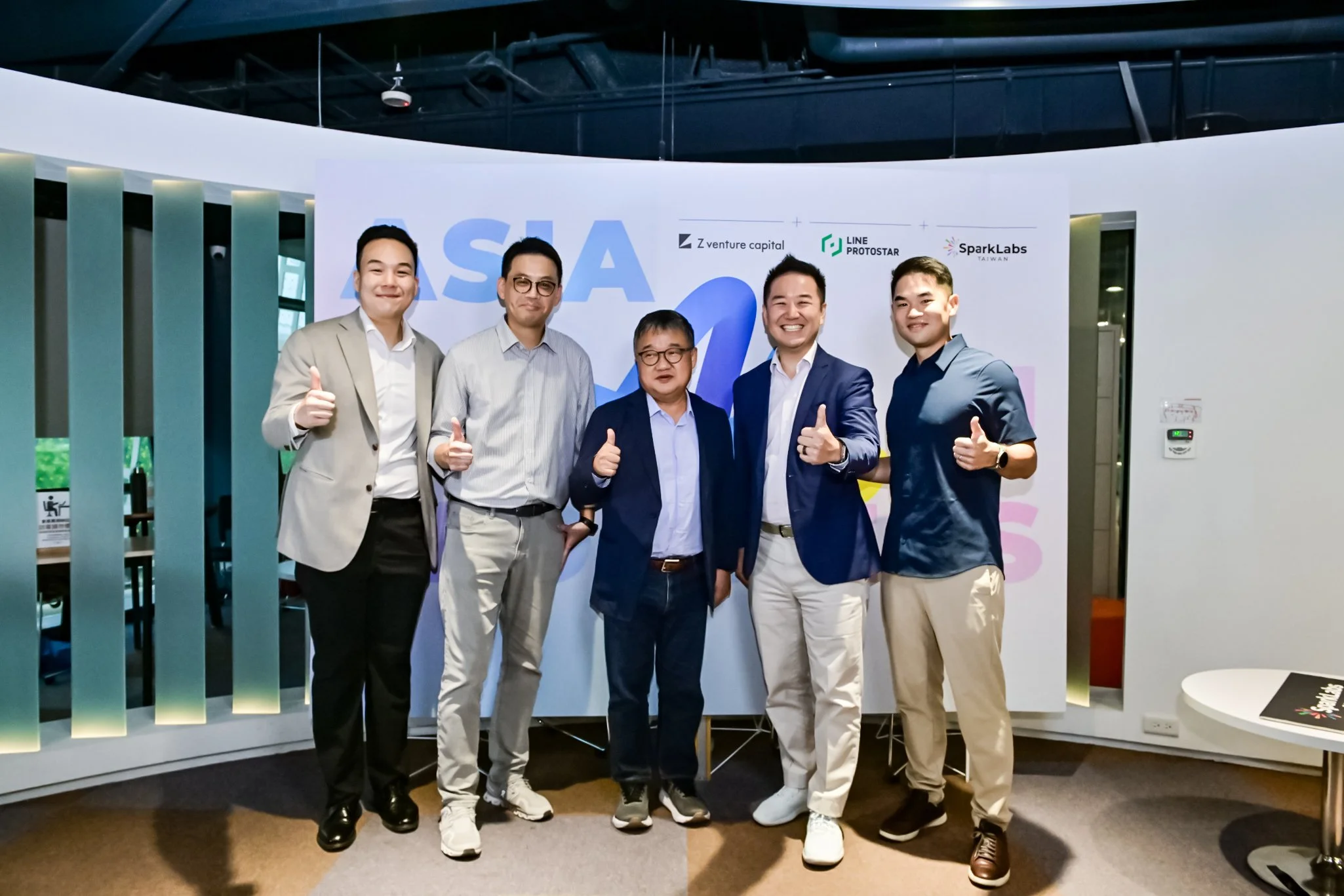
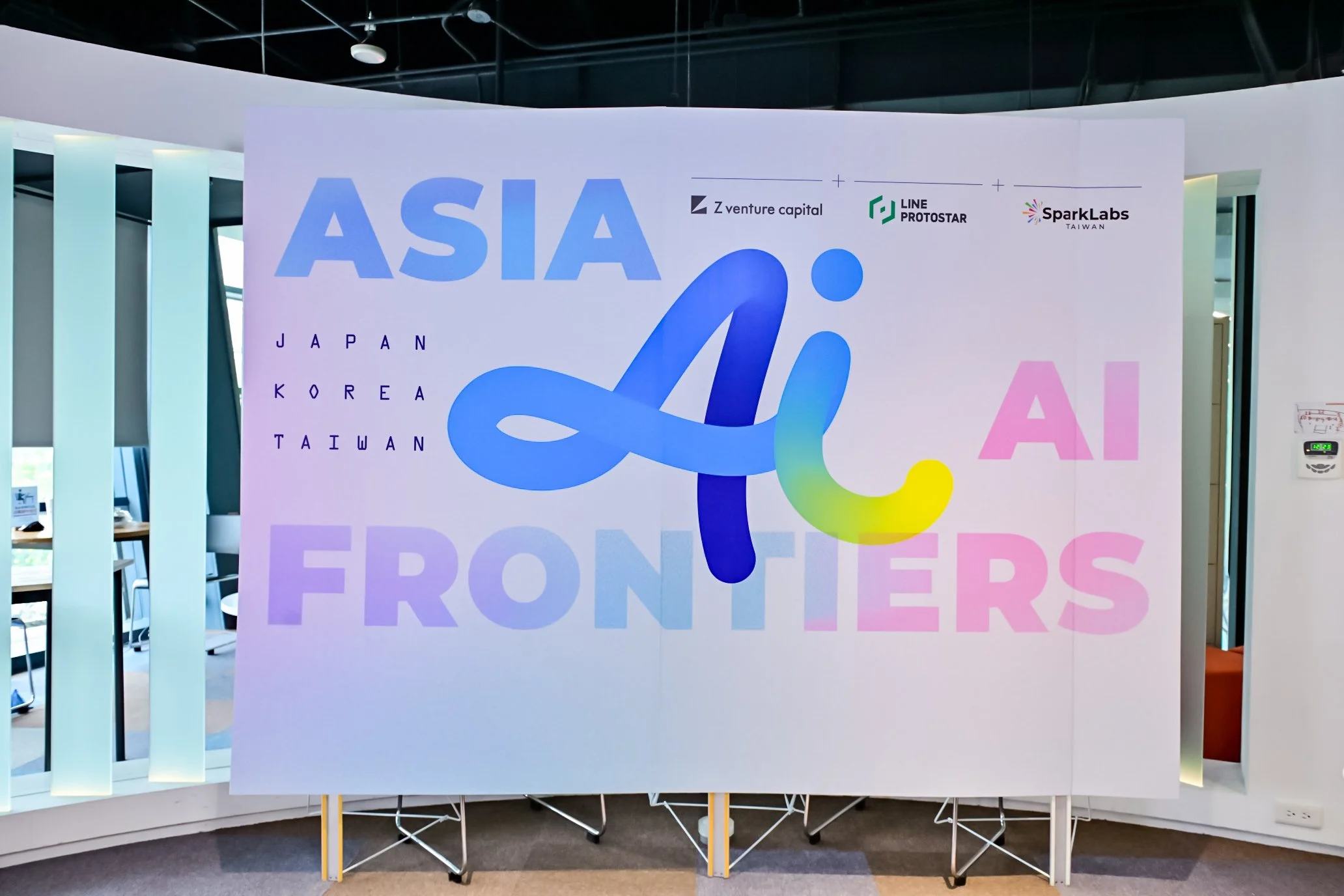
My Observations
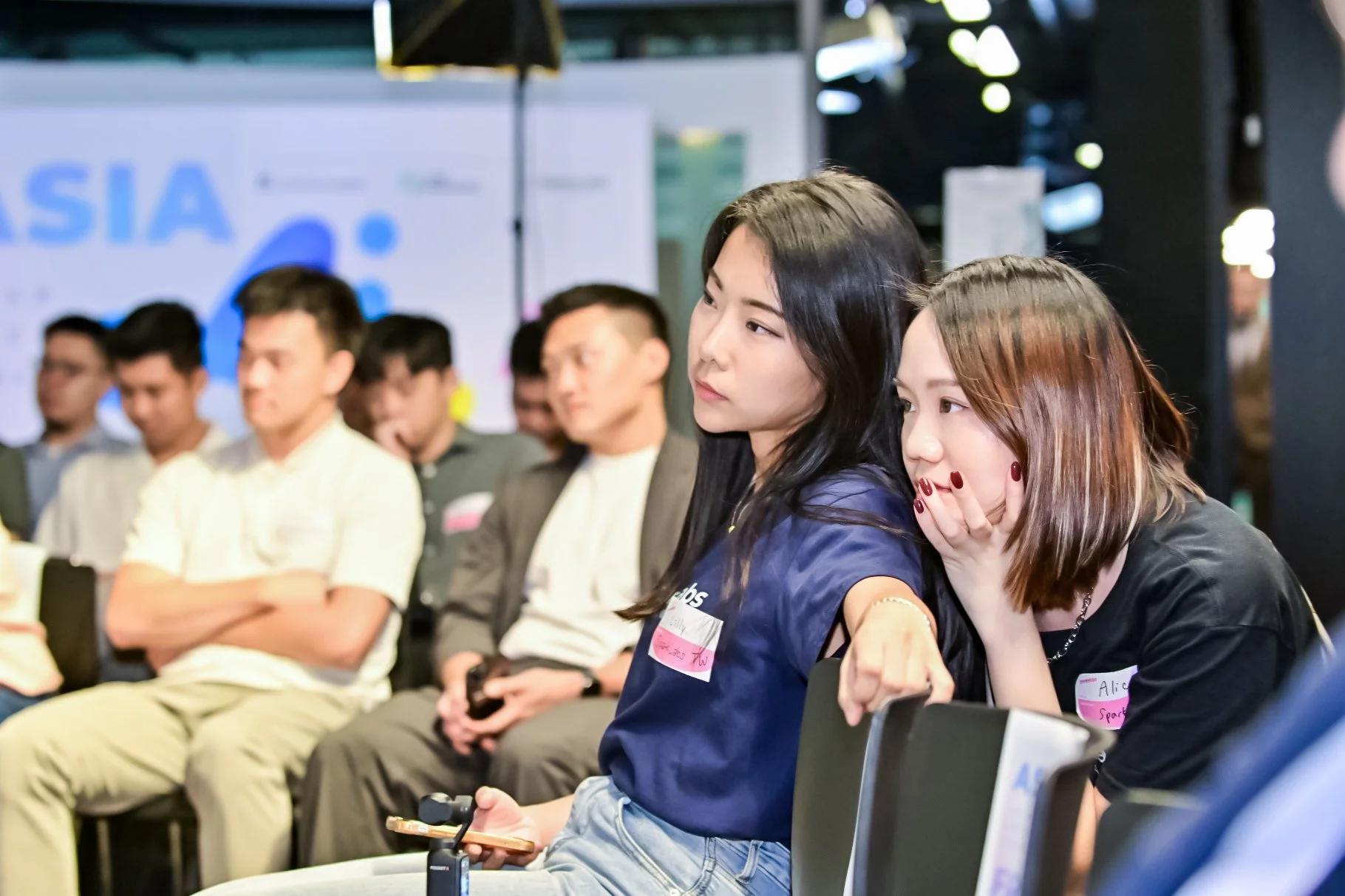
What struck me most was the energy and hunger in the room. There’s a palpable sense of ambition among Taiwan’s founders and investors to seize the opportunities that AI presents — to transform not only local industries but to compete on a global stage.
At the same time, there are real challenges ahead.
Cultural: A natural risk aversion and fear of failure can make it difficult for founders to take bold swings.
Regulatory: Starting and scaling a business in Taiwan can take months of administrative hurdles — far slower than the startup pace seen in the U.S.
Ecosystem support: Access to early-stage capital, experienced mentors, and proven playbooks remains limited.
Global vision: Taiwan’s startups must consciously look beyond domestic pain points to build globally scalable solutions.
But these challenges are balanced by immense strengths — advantages that could allow Taiwan to emerge as one of Asia’s most dynamic startup hubs.
First, Taiwan’s access to world-class engineering universities — including National Taiwan University (NTU), National Tsing Hua University (NTHU), and National Chiao Tung University (NCTU) — provides a deep well of technical talent across hardware, software, and applied sciences. The caliber of engineering and research here rivals anywhere in the world, and it’s no surprise that so many leading chip, hardware, and robotics startups are born on this island.
Second, Taiwan’s Gold Card Visa program is actively attracting foreign founders, technologists, and investors — helping seed the ecosystem with global perspectives and cross-border collaboration. At the event, I met several non-local founders who’ve recently set up shop here, including Mark Birch, whom I first met over 15 years ago at NYC Tech Meetup — now building bridges for founders between Taiwan and the global stage.
And finally, Taiwan is home to a highly engaged angel and venture community, represented not only by the VCs in attendance but by luminaries such as Kevin Lin, co-founder of Twitch, and Steve Chen, co-founder of YouTube — both of whom continue to give back, invest, and mentor the next generation of builders here.
The more I meet the people shaping this community, the more I’m convinced that Taiwan’s combination of technical talent, global connectivity, and collaborative spirit positions it perfectly to punch far above its weight in the global AI landscape.
Building Together
The collaboration on display last night — between corporates like LINE, venture funds like ZVC, incubators like SparkLabs, and founders themselves — is exactly what’s needed. Rather than building isolated programs, Asia’s ecosystems can achieve far more by pooling mentorship, capital, and case studies across borders.
Organizations like SparkLabs Taiwan are already leading this charge: bringing in global mentors, uniting startups and investors, and curating a community where best practices and capital flow freely. Z Venture Capital and LINE Protostar, backed by the reach of LY Corporation, are likewise enabling a cross-regional network that helps startups scale faster and smarter, leveraging the natural strengths from their cross-border user bases and operations at LINE.
In this new era of AI, the startups that will succeed are those built on deep domain expertise, proprietary data, and an “unfair advantage” in solving acute user painpoints. Building quickly is easy — building meaningfully is hard. Founders here in Asia have the technical chops and discipline to do both; what they need now is community and capital to match.
Momentum in the Room
Beyond the panel, what impressed me was the caliber of founders and investors in attendance — a clear signal of the momentum forming across Asia’s tech ecosystem.
I had the chance to meet several incredible founders building at the frontier of AI, including but not limited to:
Objs.AI, led by Jimmy Wu, who is making any system’s content AI-readable to unlock data value for enterprises.
Tenfold AI, founded by Winston Chen, who is reimagining legal document workflow through generative AI.
Glober AI, (where I got to meet CTO/Cofounder Alex Chen in person for the first time), who is building an AI-powered translation workforce to enable global commerce — and proudly, Glober is already part of both the SparkLabs and Hickory Falls Ventures portfolio.
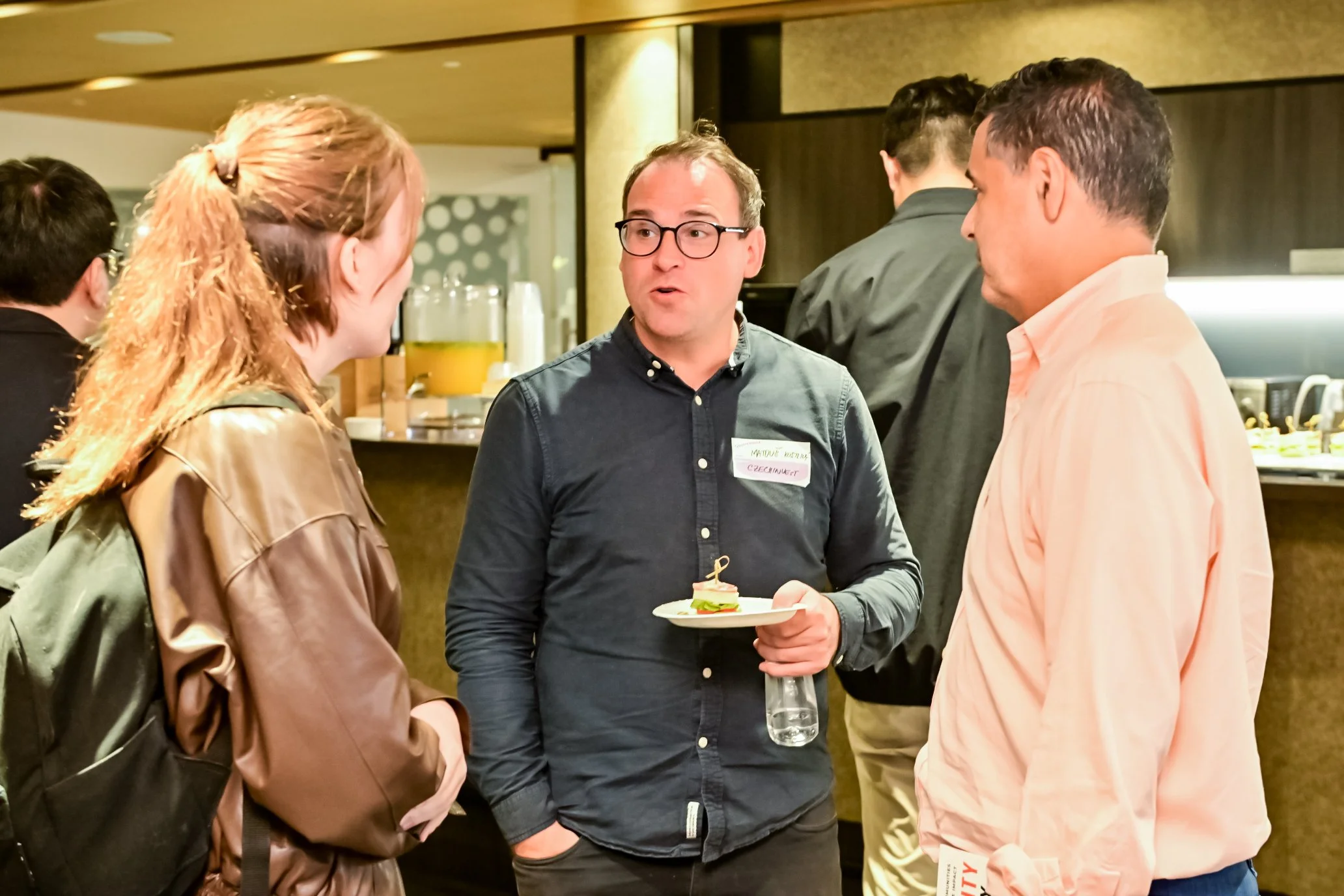
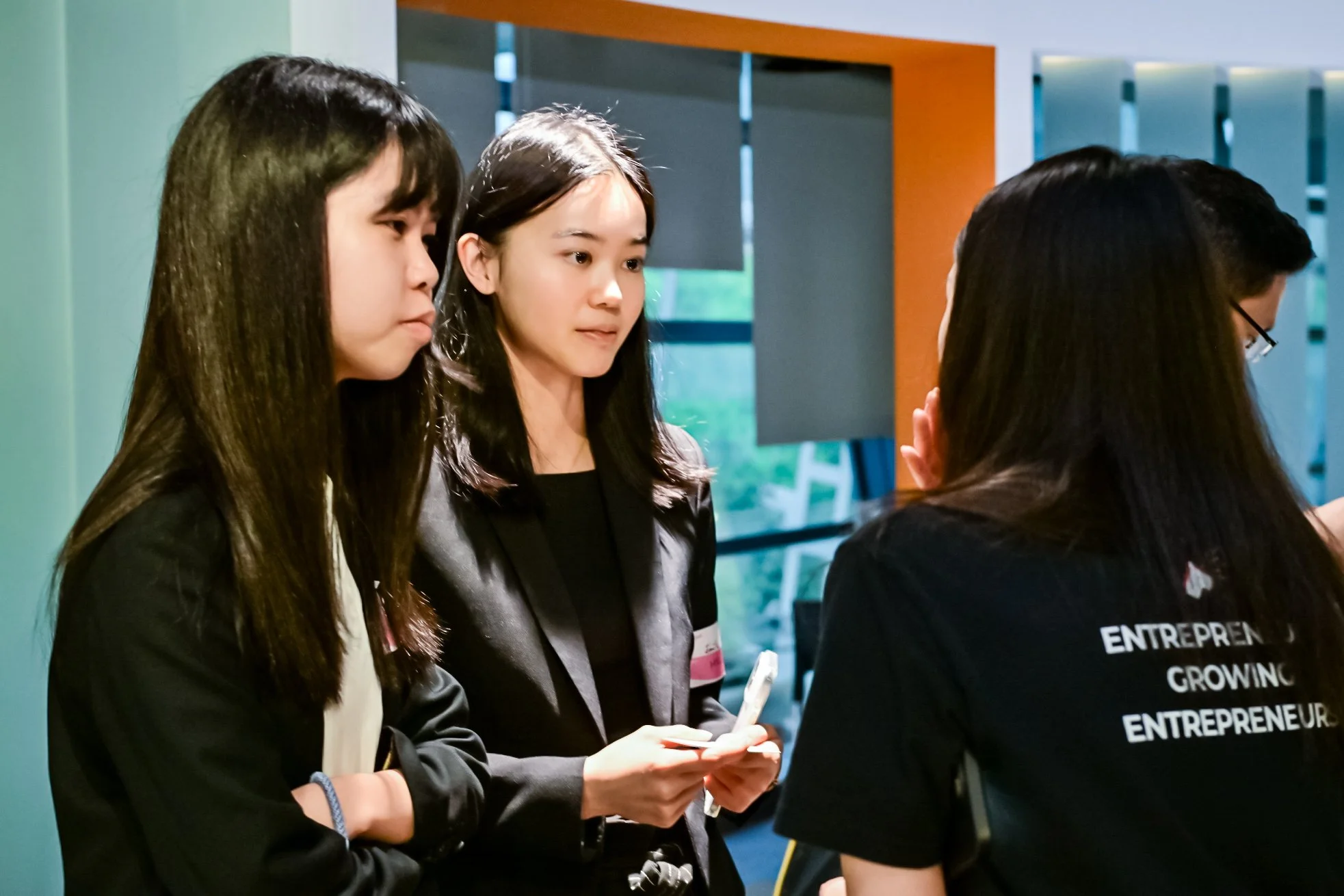
It wasn’t just founders. Investors from across the region were also in attendance — including Alibaba Entrepreneurs Fund, Blue Red Partners, Vector Inc. (Japan), HTC’s Investment Arm, Venqac, and 886 Studios.
Together, these founders and investors reflect the early but powerful momentum shaping Taiwan, Korea, and Japan’s AI ecosystem — one that’s increasingly collaborative, ambitious, and globally minded.
Closing Reflections
I came into this event simply wanting to be helpful — to share my perspective as a builder, investor, and mentor. I left inspired by what’s possible, encouraged by the talent and momentum in the room, and motivated to keep building bridges between Asia and the rest of the world.
This was just the beginning. I look forward to continuing this journey with SparkLabs Taiwan and the broader ecosystem — helping guide, mentor, and invest in founders across the region who will shape the next generation of AI innovation.

*All photography provided by SparkLabs Taiwan